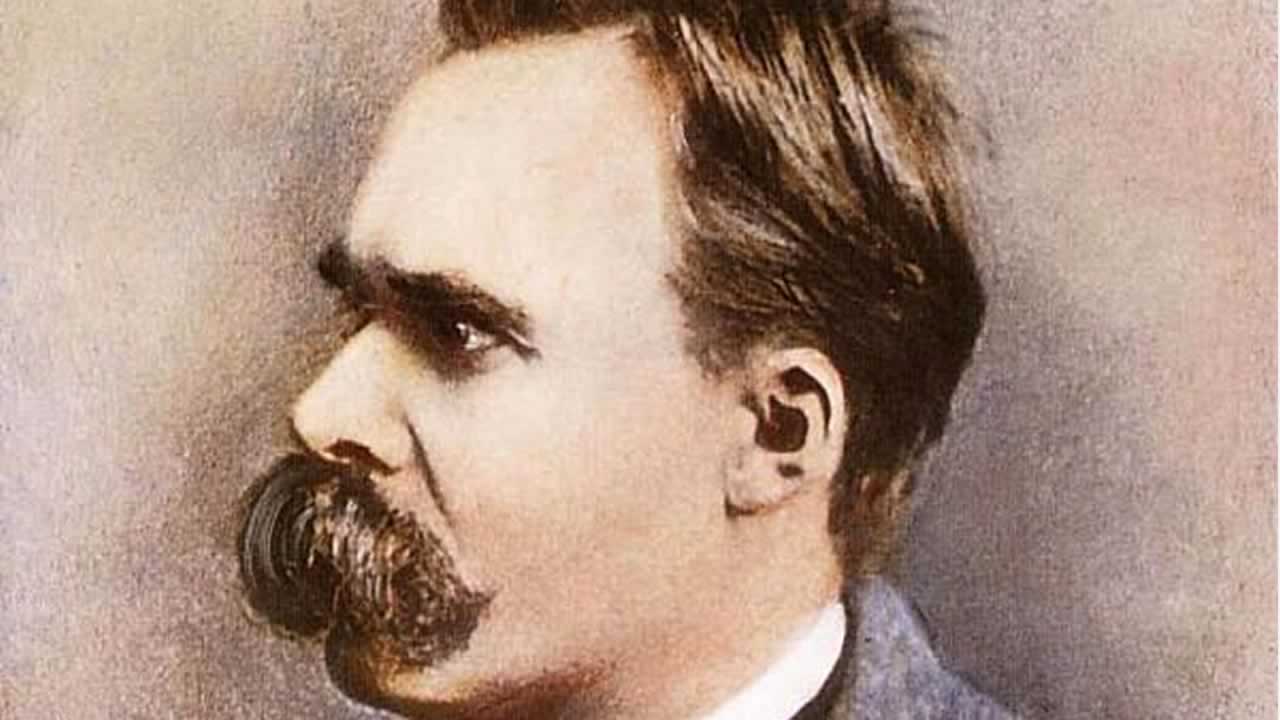
Nietzsche: Beyond Good and Evil
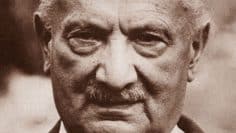
Nietzsche: Beyond Good and Evil looks into the mind of one of the nineteenth century’s most influential thinkers, German philosopher Friedrich Nietzsche. He is best known for his rejection of Christianity and God, most famously expressed in the phrase “God is dead”. Nietzsche believed that Christian morality was not only false, but detrimental to society, as he argued that it elevated weakness over strength.
A gifted young man, Nietzsche was appointed professor at the University of Basel at the age of 24, before he had even completed his doctorate. The film explores the intimate details of his turbulent personal life, his periods of solitude in the mountains, and the ways in which the works of Richard Wagner and Arthur Schopenhauer shaped his worldview. It paints a vivid portrait of his transition from Christian belief to nihilistic thinking, before his tragic descent into madness.
The documentary concludes by showing how Nietzsche’s work went on to influence later generations, including various schools of thought and, unintentionally, the Nazis. His sister, Elisabeth Förster-Nietzsche, misappropriated and distorted his ideas, interpreting them in a pro-Nazi manner and promoting a corrupted version of the concept of the Übermensch.